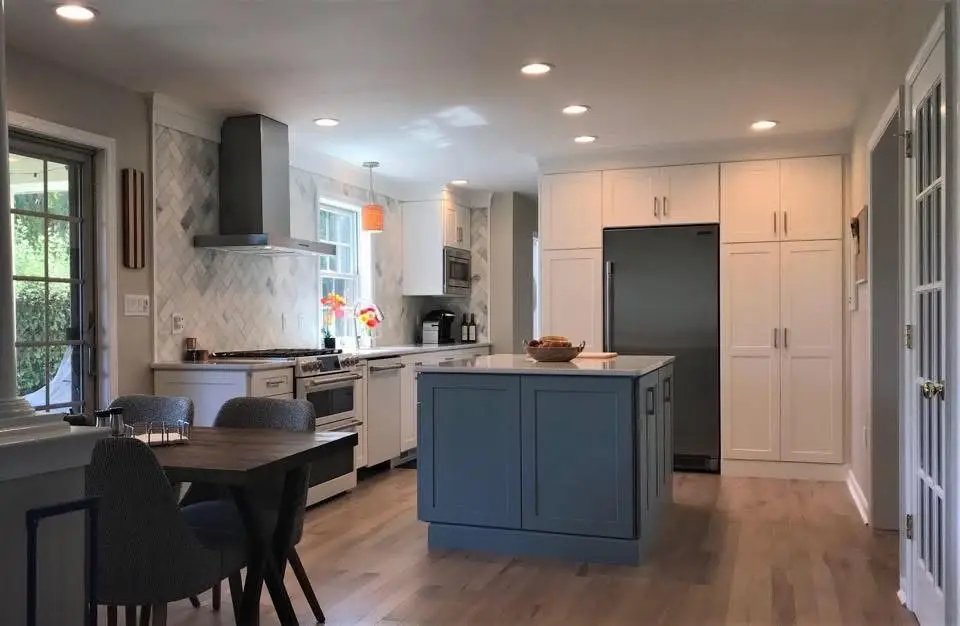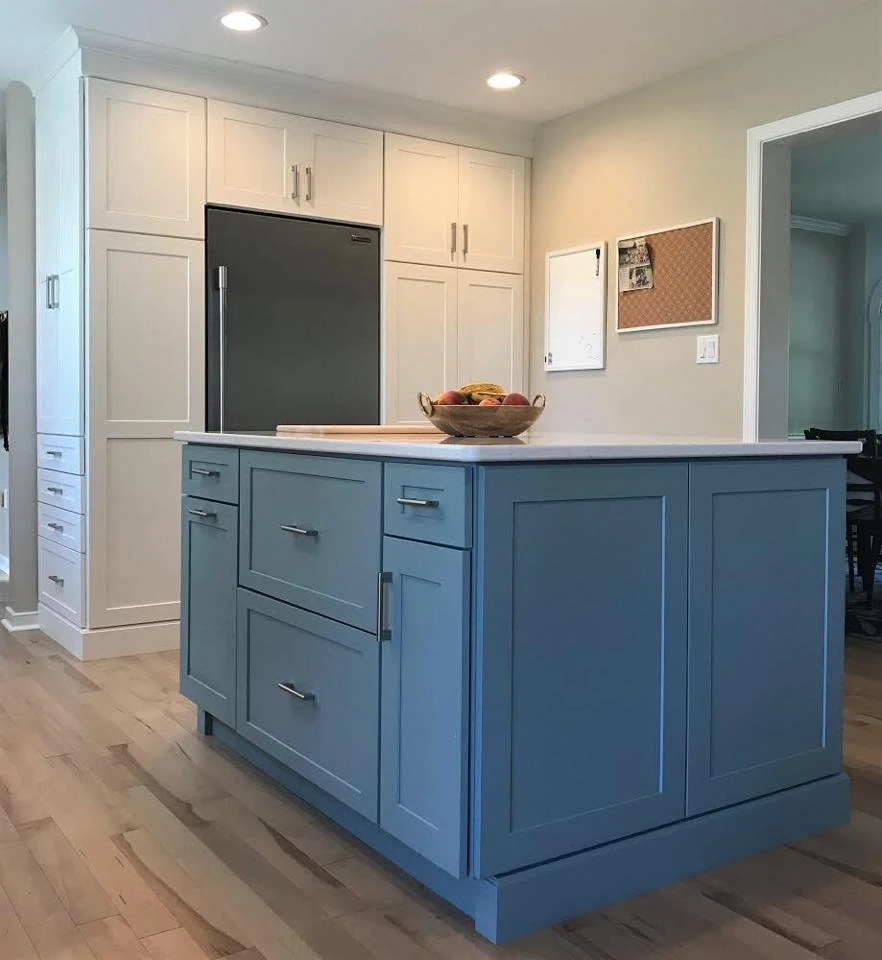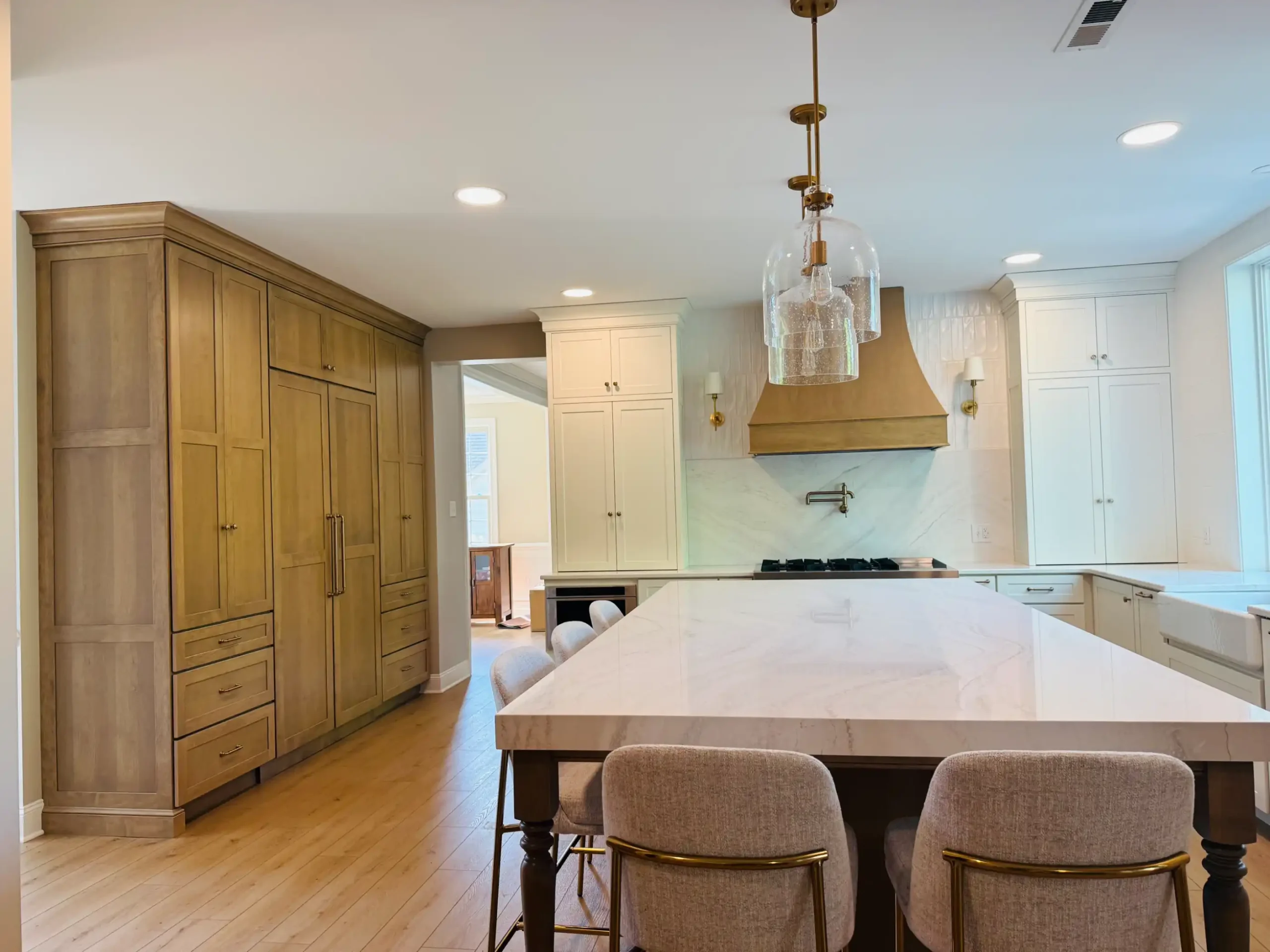
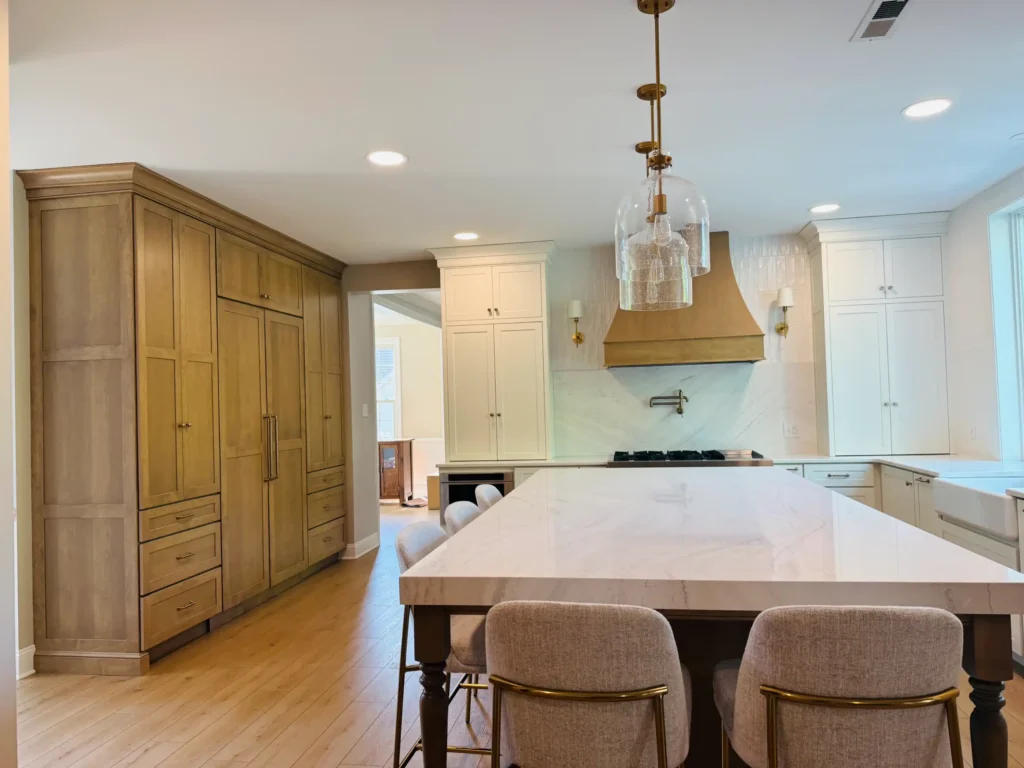
If you’re considering a kitchen remodel in Lancaster, Berks, or York County, the most important decisions often happen long before construction begins. Homeowners who plan ahead tend to have more options, fewer surprises, and a smoother experience overall.
This guide covers what to consider early, which questions to ask, and how to plan a kitchen remodel that fits your home, lifestyle, and timeline.
Step 1: Start with function before finishes
One of the most common mistakes homeowners make is jumping straight to materials before understanding how the kitchen needs to function.
Before choosing cabinetry styles or colors, it helps to look closely at how the space works today.
Ask yourself:
- Where does the kitchen feel cramped or inefficient?
- Are multiple people using the space simultaneously?
- Is storage working for how you actually cook and entertain?
- Does the kitchen connect well to nearby rooms?
In many homes in Lancaster, Berks, and York counties, kitchens were designed decades ago for different lifestyles. Even minor layout adjustments can significantly improve flow and usability. Remember, layout decisions affect everything that follows, including cabinetry, appliances, lighting, and budget. Getting this right early prevents costly changes later.
Step 2: Understand what drives kitchen remodel costs
Kitchen remodel costs vary widely, and for good reason. Older homes in South Central Pennsylvania often require additional planning due to structural conditions, aging infrastructure, or non-standard dimensions.
Here’s a high-level look at what typically influences cost the most:
| Remodel Factor | Why It Matters |
| Layout changes | Moving walls, plumbing, or appliances adds complexity |
| Cabinetry type | Custom, semi-custom, and stock options vary in flexibility and cost |
| Home age | Older homes may require updates behind the walls |
| Material selections | Countertops, flooring, and fixtures all affect budget |
| Scope of work | Full remodels differ from partial updates |
Understanding these variables early helps homeowners prioritize where to invest and where to simplify, rather than making reactive decisions mid-project.
Step 3: Choose the right cabinetry approach for your home
Cabinetry is often the most visible part of a kitchen remodel, but the right choice depends on the space, not just style preferences.
Here’s a simple comparison homeowners often find helpful:
| Option | Best For | Key Considerations |
| Stock cabinets | Straightforward layouts | Limited sizes and flexibility |
| Semi-custom cabinets | Moderate customization | Balance of flexibility and cost |
| Custom cabinets | Unique layouts or older homes | Designed specifically for the space |
In homes with uneven walls, tight clearances, or non-standard dimensions, custom cabinetry often solves problems that standard options cannot. Choosing the right cabinetry type early helps avoid compromises later in the design.
Step 4: Plan realistically for timeline and lead times
A kitchen remodel isn’t a single phase. Most projects move through several stages:
- Design development and layout planning
- Cabinetry and material selections
- Ordering and lead times
- Construction and installation
In PA, experienced kitchen remodeling companies often book projects months in advance. Planning now allows each phase to move at a reasonable pace without rushed decisions. (Many homeowners begin conversations six to twelve months before their ideal completion date, especially when custom design is involved.)
Step 5: Work with a team that understands local homes
South Central Pennsylvania homes vary widely, from historic farmhouses to mid-century layouts and newer construction. Each comes with different challenges and opportunities.
Working with a local kitchen remodeling team means partnering with people who understand:
- Regional building codes and permitting
- Older home renovations and structural considerations
- The trades and construction practices common to the area
Local experience helps ensure the remodel fits your home, not just current trends.
When it makes sense to start the conversation
You don’t need every decision made to start planning a kitchen remodel. An early conversation is often about understanding possibilities, timelines, and budget ranges rather than committing to a final design.
If a kitchen remodel is on your radar, starting early can provide clarity and confidence as you move forward. Thoughtful kitchen remodel planning doesn’t just make the remodel easier. It helps ensure the finished kitchen truly supports how you live. Get your free estimate today.