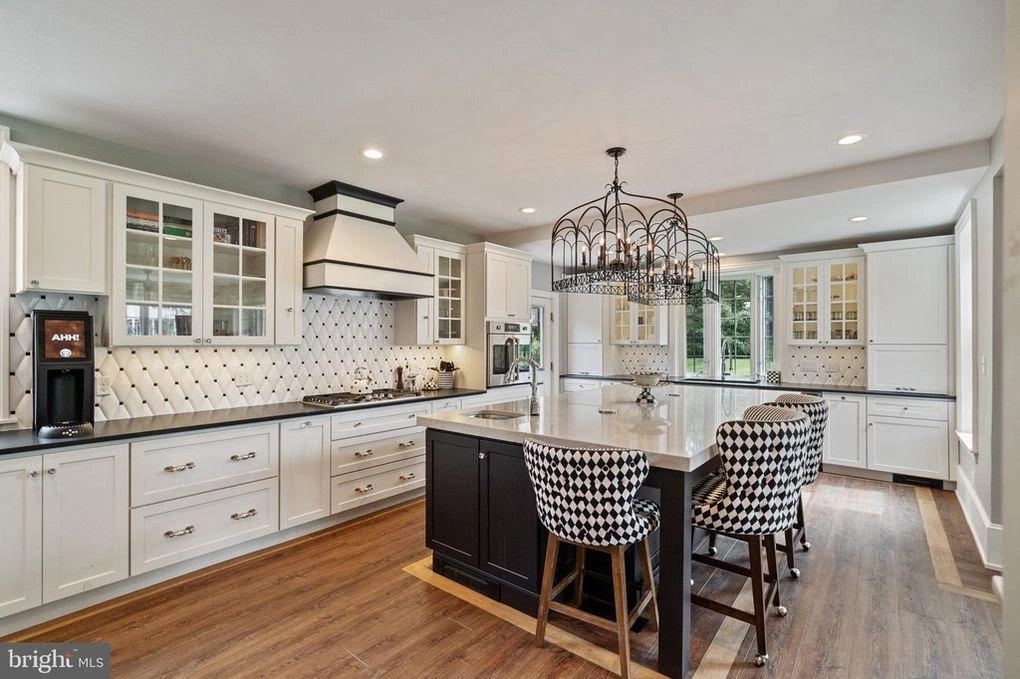
When homeowners begin researching a kitchen remodel, cabinets are often the first thing that comes to mind. While cabinetry is an important part of the process, a true custom kitchen remodel involves far more than selecting doors and finishes.
For homeowners in Lancaster, Berks, Chester, and York Counties, understanding what actually goes into a custom kitchen remodel can help set expectations, avoid common missteps, and lead to better long-term results.
A custom kitchen starts with layout and function
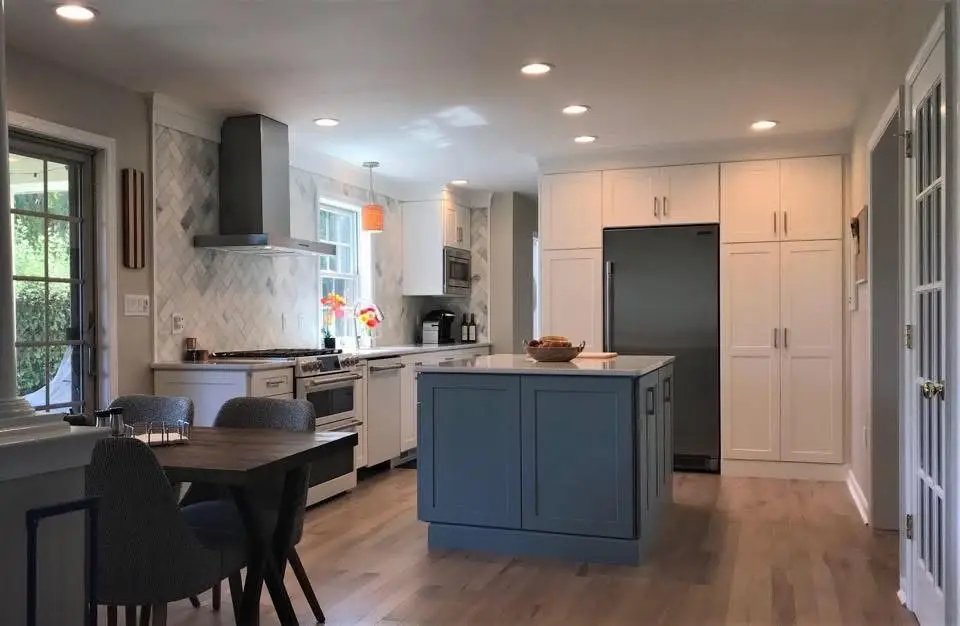
One of the biggest differences between a custom kitchen remodel and a surface-level update is how much attention is paid to layout. Before materials are selected, a custom remodel looks closely at how the kitchen functions day to day.
That typically means:
- Evaluating traffic flow and work zones
- Rethinking appliance placement based on how the kitchen is used
- Planning storage around real needs, not standard cabinet sizes
- Considering how the kitchen connects to nearby rooms
In many older homes throughout South Central Pennsylvania, kitchens were designed for a different lifestyle. A custom approach allows the space to be reworked for modern living, whether that means opening sightlines, improving workflow, or simply making the kitchen feel
Do I need to change my kitchen layout during a remodel?
Not always, but many homeowners find that improving layout has the biggest impact on how their kitchen functions. Even small layout adjustments can make a noticeable difference.
Structural considerations and behind-the-scenes problem solving
Custom kitchen remodels often involve challenges that aren’t visible at first glance. Addressing these details early is critical to creating a kitchen that performs well long after the project is complete.
This may include:
- Adjusting walls or openings
- Planning updated lighting layouts
- Working around uneven floors or older framing
- Coordinating electrical, plumbing, or ventilation updates
These elements rarely show up in inspiration photos, but they are often where experience matters most. Taking the time to solve these issues upfront helps prevent delays and unexpected changes during construction.
Will my kitchen remodel require structural changes?
That depends on the home and the scope of the project. Many older homes in Lancaster and Berks Counties benefit from minor structural adjustments to improve flow, lighting, or appliance placement.
Cabinetry decisions that actually affect performance
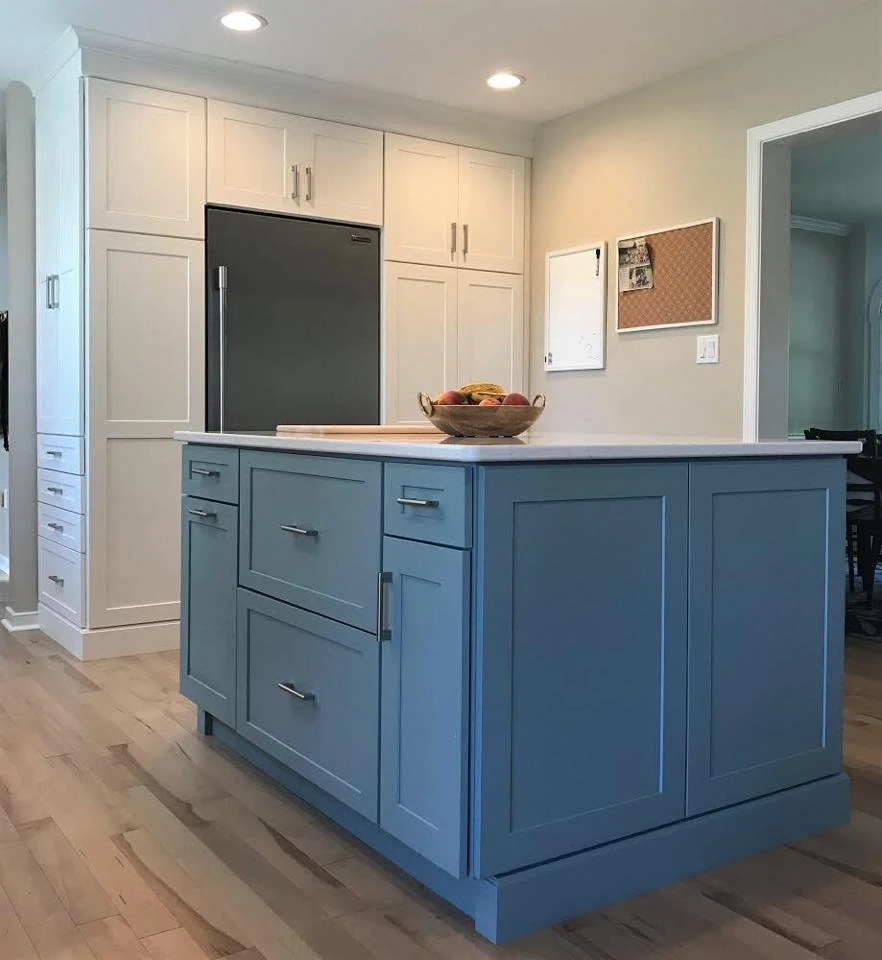
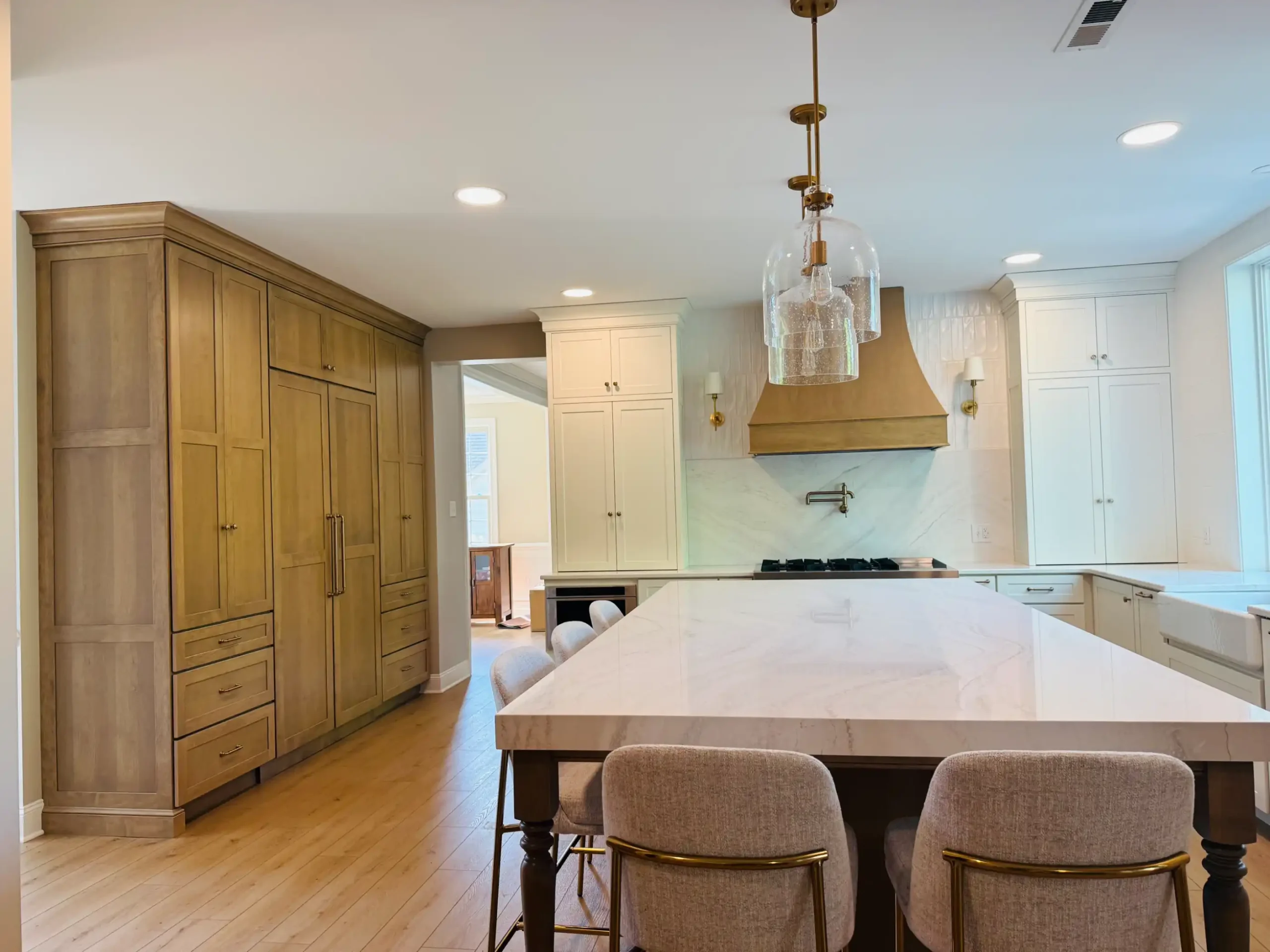
Custom cabinetry is about more than just appearance. It allows cabinets to be sized and configured to fit the space properly, which is especially important in older homes where standard dimensions don’t always work.
Practical considerations often include:
- Adjusting cabinet depths to avoid crowding walkways
- Planning filler panels and spacing intentionally, rather than as an afterthought
- Designing around appliance specifications before cabinets are ordered
- Creating storage that is accessible and efficient
When cabinetry is planned as part of the full kitchen design, it supports the layout instead of dictating it.
Are custom cabinets always better than semi-custom or stock?
Not necessarily. The right choice depends on the space, budget, and goals of the project. Custom cabinetry is often most valuable when standard options cannot accommodate the layout or storage needs.
Design decisions that support everyday use
A successful custom kitchen remodel focuses on how the space will be used every day, not just how it will look on completion day.
That often means:
- Storage planned around how often and how you cook
- Lighting designed for task areas as well as overall atmosphere
- Materials selected for durability, not just appearance
- Smooth transitions between rooms to create a cohesive flow
These details are what make a kitchen feel intentional and comfortable, rather than simply updated.
How long should a well-designed kitchen remodel last?
A thoughtfully designed kitchen using quality materials should serve a home well for many years. Good design focuses on long-term function, not short-term trends.
Why local design-build experience matters
Kitchen remodels benefit from working with a team that understands local homes and construction practices. In Lancaster, Berks, and York Counties, homes range from historic farmhouses to mid-century layouts and newer builds, each with unique considerations.
A design-build approach brings design and construction together from the start. This coordination helps ensure that plans created during the design phase translate smoothly during installation and reduces miscommunication along the way.
Having one team responsible for both design and execution also provides homeowners with clarity throughout the process.
What does design-build mean for a kitchen remodel?
Design-build means one team handles both the design and construction phases, helping streamline communication and keep the project aligned from start to finish.
Knowing when a custom approach makes sense
A custom kitchen remodel is not about making a kitchen more elaborate for the sake of it. Often, it’s about making better use of the space you already have.
Custom design tends to make the most sense when:
- The existing layout does not function well
- The home has unique structural features
- Standard cabinet sizes create limitations
- Long-term usability is a priority
If you are considering a kitchen remodel and want a space that fits your home, lifestyle, and long-term plans, understanding the full scope of custom design can help you make confident decisions from the start. Get a free estimate for your kitchen remodel from our experts at Custom Kitchens & Design today.